
Georgia Court of Appeals Recent Decisions
Several noteworthy cases were recently decided by the Georgia Court of Appeals in the first half of January. Here’s a summary of each:
The State v. Eastman, Smith, Trump, Giuliani, Cheeley, and Meadows (A25A0395-A25A0400) This case involved an alleged conspiracy to change the 2020 presidential election outcome. The state appealed the trial court’s decision to dismiss six counts of the indictment related to solicitation of public officers to violate their oaths. The Court of Appeals affirmed the dismissal, agreeing that the indictment didn’t provide enough specifics about which parts of the oath were allegedly violated to allow the defendants to prepare a proper defense. The legal term for challenging the indictment’s language being insufficient to put the defense on notice is called a special demurrer. 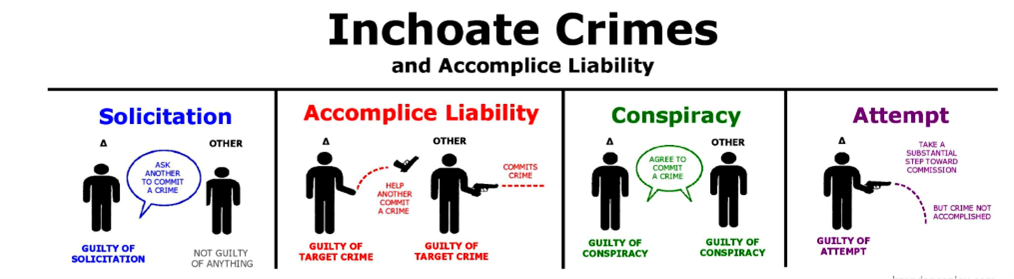
Owens v. The State (A24A1485) Owens was convicted of several charges related to a bar fight involving a motorcycle club. The Court of Appeals mostly affirmed the convictions but sent the case back to the trial court to correct a merger error in the sentencing and to further analyze whether other charges should have been merged. The court acknowledged the Aggravated Assault charge should have merged into the Aggravated Battery charge as they alleged the same act by the defendant and injury by the victim. Owens also argued ineffective assistance of counsel, but the Court disagreed.
Henry v. The State (A24A1260) Henry was convicted of furnishing prohibited items to a prison inmate and possessing tools for a crime. He appealed, claiming insufficient evidence and ineffective assistance of counsel. The Court of Appeals affirmed the convictions, finding enough evidence to support them and rejecting the ineffective assistance claim.
Edge v. The State (A24A1628) Edge was convicted of sexual battery and sexual contact with a minor. He appealed. The Court of Appeals remanded the case back to the trial court because key evidence (DVDs of interviews and bus footage) was missing from the record, making it impossible to review the appeal properly.
Flores-Avila v. The State (A24A1811) Flores-Avila was convicted of aggravated sexual battery and child molestation. The Court of Appeals reversed the conviction because the victim’s mother improperly testified that the victim “doesn’t lie,” and Flores-Avila’s lawyer didn’t object. The Court found this to be ineffective assistance of counsel that prejudiced the case. The Court noted that Flores-Avila could be retried. This is a good case to have available as witness bolstering is common in trials and the law says it should not happen.

Forrest v. The State (A24A1802) Forrest pled guilty to arson and was sentenced to prison. He appealed because the trial court didn’t give him credit for time served in jail in another county before his plea. The Court of Appeals agreed with Forrest, vacated the sentence related to credit for time served, and sent the case back to the trial court to fix the error. This is a good case to have on hand should a trial court not give you credit for time spent in jail in other jurisdictions including out of state and different counties.

Harris v. The State (A24A1312) Harris was convicted of aggravated assault-family violence. He appealed, arguing errors regarding admission of evidence of prior acts and ineffective assistance of counsel. The Court of Appeals affirmed the conviction, finding the evidence was properly admitted and that Harris didn’t prove his counsel was ineffective.